

R22 replacement air-conditioning can achieve 80% higher COP
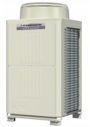
The second generation of Mitsubishi Electric’s R410A City Multi Replace models offer an 80% increase in COP, a halving of installation time and a reduction in installation costs of up to 40% when replacing an R22 air-conditioning system that is 10 years old. The City Multi YJM Replace units join the existing splits Replace line up.
Mitsubishi Electric has over five years’ experience in the Replace VRF market and even longer in the splits sector.
The City Multi YJM Replace model is a modular system that comes in both heat-pump and standard size small module with cooling capacities from 22 to 100 kW and heat recovery in the standard larger model (22 to 33 kW). All currently available City Multi indoor units can be used with the Replace model, and there is also the potential to upgrade the R22 systems of other manufacturers.
Many elements of an existing R22 system can be used — including all piping, control wiring, power wiring and circuit breakers. Replacing a 10-year-old R22 system with a modern unit of the same capacity will reduce power consumption by up to 45% and increase COP by up to 80%.
A new system automatically charges itself with R410A and flushes mineral oil while operating in either heating or cooling mode.