


Titon adds new controls to its MVHR units
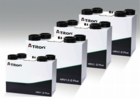
Titon has extended its HRV Q Plus range of whole-house ventilation units with heat recovery to include new controls that make commissioning much simpler. These controls are designed to make it easy to comply with the latest Part F of the Building Regulations. There are four models in the range.
There is now a 3-speed fan control that can be independently set. The timer has been made easier to set, controllable by four finger-adjustable potentiometers and a PCB-mounted 3-way slide selector switch. Once the slide selector switch has been left in run mode, the potentiometers are isolated and made tamper-proof. However, the speeds of the supply and extract fans can be set and controlled individually to balance the ventilation system and ensure energy use is minimised.
There is a boost timer control with a selectable variable range for boost from off to an hour.
Intelligent frost protection proportionally reduces the speed of the supply fan depending on the temperature of the outgoing air after the heat-recovery unit to prevent the ventilation unit freezing.
The controls upgrade also includes a switch-activated Summer option which switches off or reduces the supply when windows are opened or trickle ventilation is included in airtight houses. Finally, there is a Summer bypass option and controls for incorporating duct heaters.