

MCS certification for Ecodan commercial heat-pump system
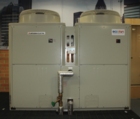
Mitsubishi Electric’s commercial Ecodan CAHV heat-pump system for space heating and domestic hot water has received full accreditation for the Microgeneration Certification Scheme. The scheme enables building operators to claim grants for the installation of these products. The CAHV unit was launched in February 2011 and is being widely specified for new-build and retrofit projects.
James Timbs-Harrison, Mitsubishi’s commercial-heating technical expert, says, ‘The process for MCS is incredibly robust and also looks at companies installing this type of equipment so that customers can have real confidence that they will get the renewable benefits and cuts in emissions they expect.’
The units are factory sealed so there is no need for refrigeration work on site. The monobloc system comes in units delivering 43 kW of heat at -3° ambient to deliver space heating. Flow temperatures of up to 70°C can be achieved without supplementary electric heating for protecting domestic hot water against legionella. Up to 16 units can be cascaded to deliver 688 kW. The controller for such a system optimises the inverter-driven compressors to maximise efficiency for the capacity available. Weather compensation is built in.
A system can help achieve planning permission for new buildings or be retro-fitted to existing buildings — working independently or alongside other heating systems.